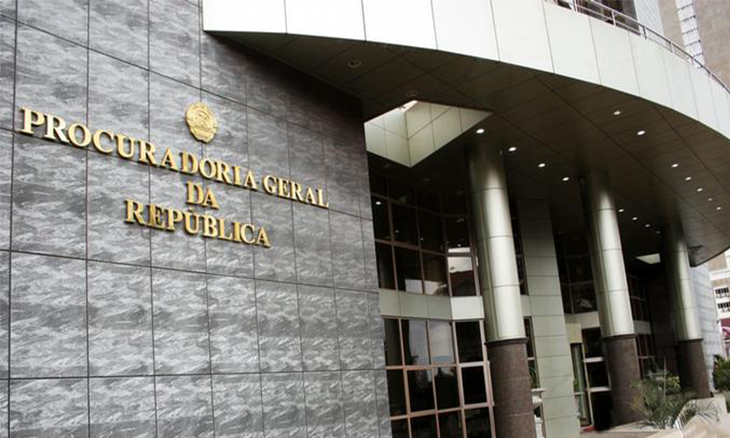
Following Mozambique’s recent elections, the country’s Attorney General has issued a stern warning to opposition presidential candidate Venâncio António Bila Mondlane. The caution comes amidst rising political tensions and allegations of incitement to civil disobedience.
Key Points:
– Mozambique’s Attorney General warns opposition candidate Venâncio Mondlane
– Allegations include inciting civil disobedience and spreading misinformation
– Legal consequences could include imprisonment for 2 to 8 years
– International observers express concern over democratic stability
The Public Prosecutor’s Office has formally cautioned Mr Mondlane to cease activities that allegedly violate the Constitution and electoral laws. This unprecedented move highlights the volatile political climate in the wake of the country’s general elections, results of which are yet to be officially announced.
Allegations against Venâncio Mondlane
According to a press release from the Attorney General’s office, Mr Mondlane is accused of:
1. Inciting social agitation and public disobedience
2. Disrespecting state institutions
3. Encouraging violence
4. Spreading disinformation through rallies and social media
The statement emphasises the gravity of these actions, particularly given Mr Mondlane’s aspirations to the presidency. “As a candidate who aspires to the position of President of the Republic, with the duty to ensure compliance with the Constitution and other laws, he adopts a totally contrary posture,” the Attorney General’s office stated.
Legal Implications
The accusations against Mr Mondlane are not merely political. They carry significant legal weight. Under Mozambican law, specifically Article 204 of Law No. 8/2013 (as amended), violations of electoral ethical norms that incite disorder, insurrection, hatred, racism, violence, or war are punishable by 2 to 8 years imprisonment.
The Attorney General’s office stressed that “self-proclamation of winners and the dissemination of unconfirmed information can generate misinformation and incite the population to acts of violence, which is completely contrary to public order and security.”
Historical Context
This tension occurs against the backdrop of Mozambique’s complex political history. The country has grappled with periodic political violence, particularly between FRELIMO and the opposition RENAMO. A 2019 peace deal was hoped to bring stability, but tensions have persisted.
The current election is seen as a crucial test of this fragile peace. With a young population increasingly vocal about issues such as unemployment, corruption, and economic inequality, the stakes are high for all parties involved.
 Egidio Vaz | Comms Strategist