Dawn breaks over Maputo’s usually bustling streets, but today they’re eerily quiet. A burned tyre still smoulders at an intersection, a stark reminder of the previous night’s forced demonstrations. This is the new normal in Mozambique’s capital, where a façade of popular political protest masks a carefully orchestrated campaign of intimidation.
Since the attempted power grab of November 7th, when opposition leader Venâncio Mondlane and his supporters tried to seize control in what many observers characterise as a failed coup, Maputo has been caught in a web of manufactured civil unrest. What appears as spontaneous protest from the outside is, in reality, carefully choreographed coercion.
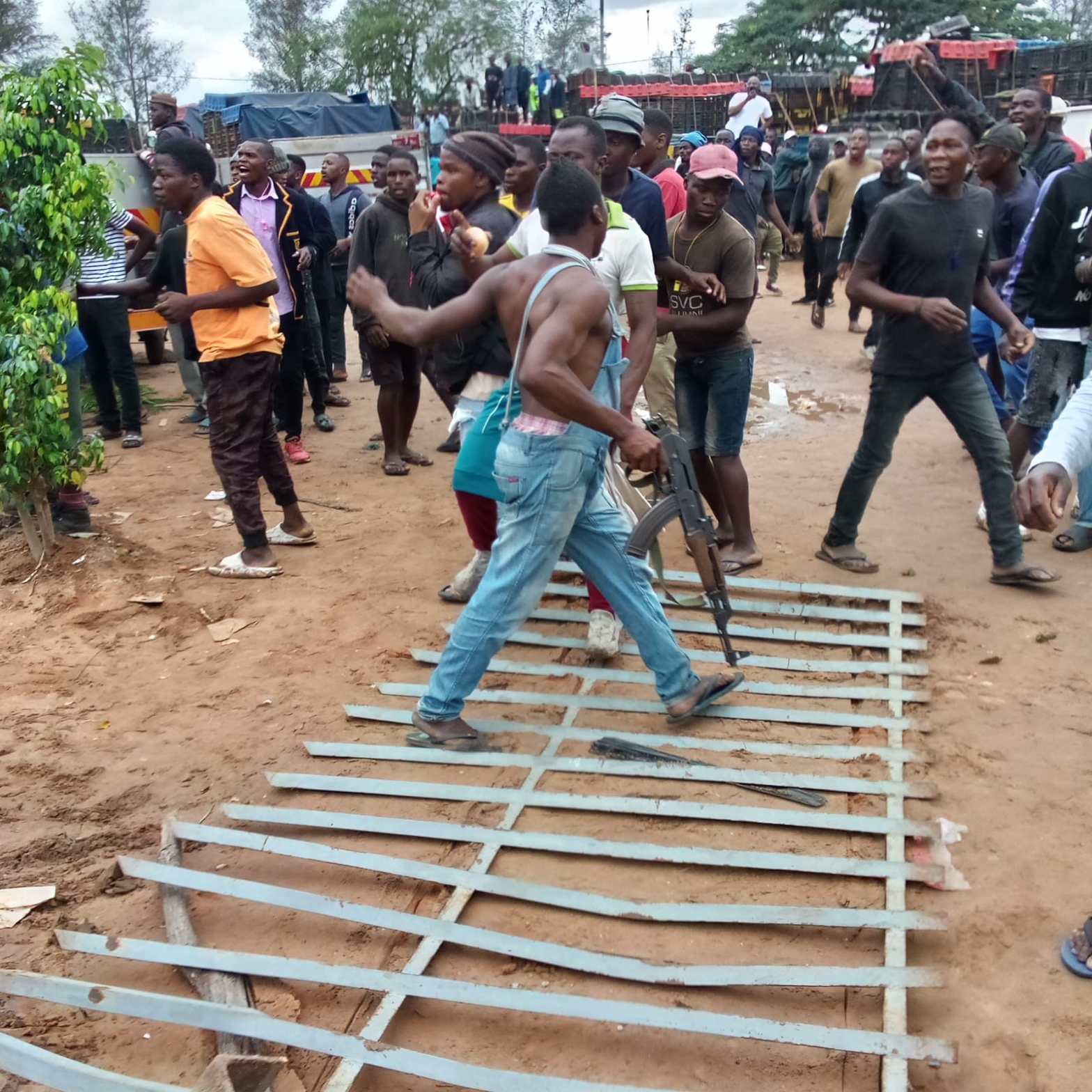
The evidence of this orchestrated chaos is hiding in plain sight. Take the widely circulated images of citizens abandoning their vehicles to walk to work – a powerful symbol of protest, if it were genuine. Yet the reality reveals a different story: strategically placed groups of agitators, affiliated with Mondlane’s PODEMOS movement, forcing drivers out of their cars through intimidation.
This pattern of coerced participation extends beyond traffic disruptions. The supposedly spontaneous singing of protest hymns, lauded by some international observers as a sign of grassroots resistance, was in fact achieved through similar tactics. Groups of well-organised provocateurs block public thoroughfares, turning peaceful commutes into forced participation in political theatre.
The transportation sector bears the brunt of this orchestrated chaos. Bus drivers face a daily dilemma: risk violent confrontation with protesters or abandon their routes altogether. Passengers find themselves caught in this dangerous choreography, often forced to disembark and publicly declare support for PODEMOS under threat of retaliation.
What’s particularly striking about this crisis is its premeditated nature. Intelligence from within the political establishment suggests Mondlane had prepared this disruption strategy well before the electoral process concluded. While he and his family secured their own safety, ordinary Mozambicans now grapple with the consequences of his political gambit.
Yet, Maputo’s residents display a remarkable resilience that has characterised Mozambicans throughout their turbulent history. The constitutional transfer of power to Daniel Chapo and Frelimo, scheduled for January 15th, 2025, proceeds despite the manufactured chaos. As for Mondlane, his political future appears sealed: excluded from the presidency, parliament, and existing political parties, he faces potential legal consequences for the damage inflicted on a nation he claimed to serve.
In the end, this crisis reveals a crucial truth about democracy: its strength lies not in the ability to manufacture dissent, but in the resilience of citizens who recognize and resist such manipulation.
Political theatre: unrest and resistance in Maputo
 Egidio Vaz | Comms Strategist