The post-electoral crisis, now extending into its sixth week, underscores a paradoxical reality: while the State is often viewed as omniscient regarding its citizens, the current turmoil reveals gaps in understanding or, perhaps, a deliberate reticence. The core question remains: do authorities genuinely lack insight into the identities and motivations of those disrupting public order, or are we observing a calculated response to preserve strategic ambiguity?
The Evolution of Protests
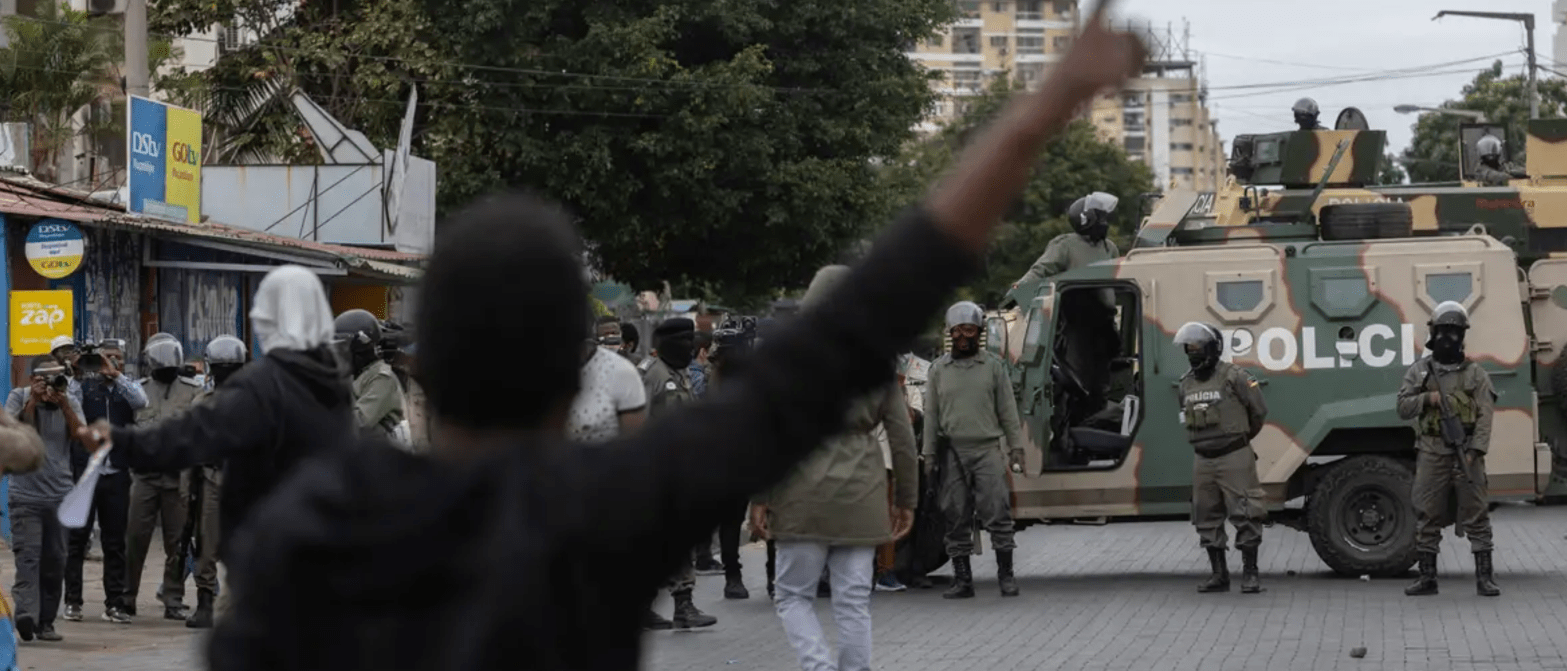
Over the past 40 days, protests have noticeably waned in terms of participant numbers. However, their nature has evolved, focusing on targeted disruptions, particularly the systematic obstruction of public thoroughfares. These roadblocks not only impede freedom of movement—a fundamental right—but also signal a troubling shift in the protest movement’s character.
Reports suggest that the original wave of peaceful demonstrations, likely driven by political grievances, has given way to a more confrontational phase. This second wave involves individuals engaging in acts of vandalism, public disorder, and the stalling of local economic activities. The transition raises concerns about the increasing involvement of criminal elements, exploiting the crisis to pursue their own agendas.
Escalation Risks and Socioeconomic Implications
The persistence of these actions raises alarm over potential escalation. A prolonged lack of resolution could foster a climate where resource-deprived households resort to criminal activities, such as burglaries, to sustain themselves. There are also insinuations—particularly within social media narratives—that these crimes could be rationalized as financial support for political figures like Venâncio Mondlane, further muddying the socio-political landscape.
This convergence of political discontent and opportunistic criminality creates a volatile mix, threatening urban stability and eroding public trust in governance.
The State’s Role: Challenges and Opportunities
The State faces a dual challenge: addressing the immediate public disorder while rethinking its long-term strategy to foster societal resilience and unity. Several critical questions demand attention:
• Why has there been no proactive engagement with communities to channel grievances into constructive dialogue?
• Given the demonstrable role of social media in amplifying unrest, should regulatory mechanisms or digital literacy programs be implemented to mitigate misinformation and chaos?
While maintaining public order is paramount, it must not come at the expense of constitutional rights, including freedom of expression and assembly. The delicate task before the authorities is to ensure security without fueling perceptions of authoritarianism or overreach.
The current crisis serves as a stark reminder of the interconnectedness of governance, economic stability, and societal trust. Authorities must act decisively yet thoughtfully to navigate this period of uncertainty. The path forward requires balancing firm measures to restore order with inclusive strategies that rebuild citizen confidence in the State’s capacity to lead with fairness and foresight.
State Challenges in Managing Public Disorder and Citizen Trust
 Egidio Vaz | Comms Strategist