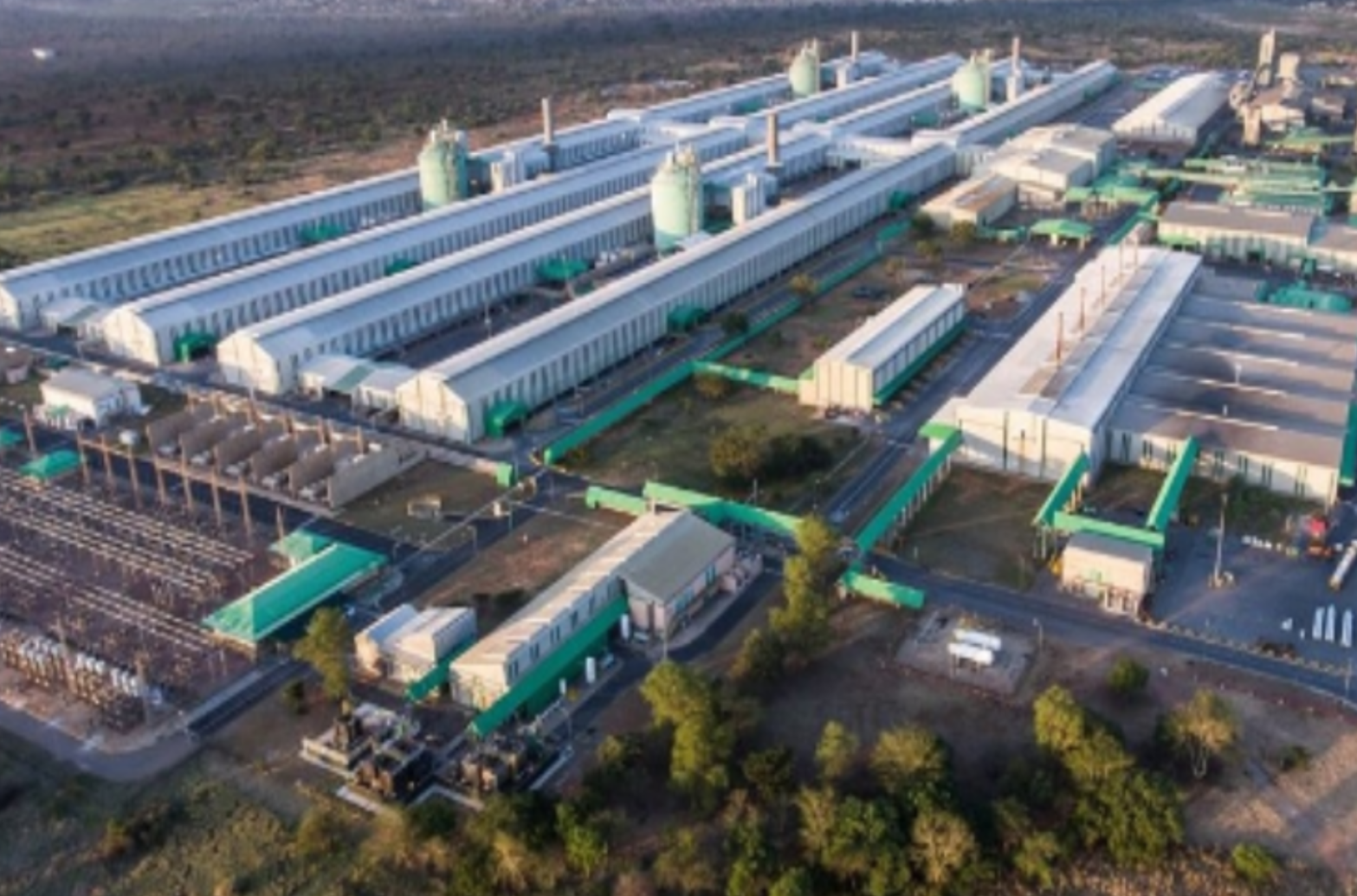
Australia prides itself on its mining giants’ global footprint. But with global reach comes global scrutiny, and South32’s handling of its Mozal aluminium smelter in Mozambique is raising the kind of questions no FTSE or ASX-listed company wants to face.
The company’s latest announcement that it may shut down the facility in March 2026 unless it secures electricity at what it calls “affordable” prices is not simply a commercial decision. It is a public power play, one that risks being seen internationally as economic blackmail aimed at a developing nation.
Mozal is not just another foreign asset. Established as one of Mozambique’s first mega-projects, it operates under a generous special economic zone regime. This arrangement has long drawn criticism from economists, development experts, and civil society for sharply limiting the country’s share of the revenue. Despite contributing to local employment and supply chains, Mozal’s tax and royalty footprint is far lighter than what many believe a project of its size and profitability should deliver.
For over two decades, the South32-led consortium has enjoyed steady access to Mozambique’s workforce, port facilities, and, critically, hydroelectric power from the Cahora Bassa dam. Yet when negotiations over a post-2026 electricity tariff stalled, the company went public with the prospect of shutting down operations. This was not a backroom contingency plan; it was a high-profile statement with clear political undertones, directed at Mozambique’s new President, Daniel Chapo, who has made economic independence and contract renegotiation a cornerstone of his leadership.
From a governance perspective, the optics are poor. For a company headquartered in Perth and listed in both London and Johannesburg, the impression that it is leaning on a poorer country to secure favourable energy rates undermines its ESG credentials and long-term licence to operate. The message it sends to Mozambique is that the rules of engagement are set not by sovereign policy, but by shareholder returns.
There is a reputational cost here that investors and boards should not underestimate. In the current global climate, where supply chain ethics and fair taxation are under increasing public and regulatory scrutiny, such tactics can tarnish more than quarterly results, they can stick to a brand for years.
If South32 proceeds down this path, it will not just be Mozambique that takes note. International media, governance watchdogs, and responsible investment funds are increasingly alert to cases where multinational leverage crosses into coercion. That is not the sort of leadership Australian and UK companies should export.
The Mozambican government faces a clear choice: defend its right to set fair, sustainable terms for resource use, or bow to pressure and risk encouraging a cycle of dependency. South32, meanwhile, must decide whether short-term bargaining leverage is worth the long-term damage to its reputation as a responsible operator in emerging markets.
One thing is certain, in the era of instant global scrutiny, economic blackmail rarely pays off in the court of public opinion.
 Egidio Vaz | Comms Strategist